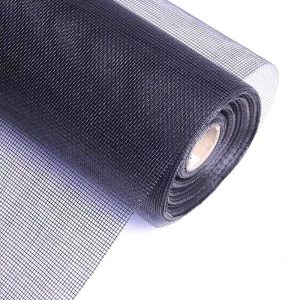
Window Filter Screen Solutions for Cleaner Indoor Air
High-performance window filter screens designed to reduce pollen, dust, haze, and airborne particles while maintaining natural airflow. Our solutions support residential, commercial, and industrial applications where improved indoor air quality is required without fully sealing windows.
Multiple filtration structures and material options are available to match different air quality conditions, helping buyers select the right window screen filter solution for real-world environments.
OEM & bulk supply available · Sample testing supported · Stable quality control
What Is a Window Filter Screen?
A window filter screen is a functional mesh installed on windows or doors to reduce the entry of airborne contaminants while keeping windows open for ventilation. Unlike standard insect screens that mainly block mosquitoes and flies, window screen filters are designed to intercept finer particles such as pollen allergens, dust, and haze that affect indoor air quality.
By using tighter woven structures, advanced fibers, or multi-layer compositions, window filter screens help limit the amount of dust and airborne pollutants entering indoor spaces, while still allowing fresh air to circulate naturally. This makes them suitable for urban areas, seasonal allergy regions, and environments affected by outdoor pollution.
Available Window Screen Filter Mesh Types
Different environments require different filtration approaches. Based on material structure and filtration performance, our window filter screen solutions are categorized into three main types:
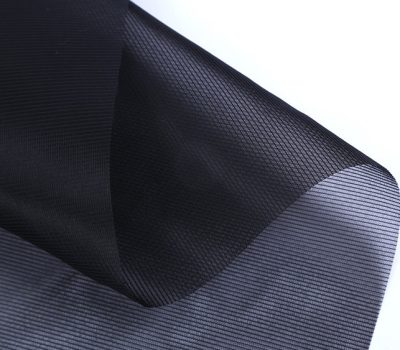
Designed for daily protection against pollen, fine dust, and small airborne particles. Polyester-based screens offer a balanced combination of airflow and filtration, making them suitable for residential and light commercial environments.

Developed with advanced fiber structures to capture finer airborne particles such as haze and PM2.5. These screens are commonly used in urban areas where higher filtration efficiency is required without completely blocking airflow.

Multi-layer window filtration systems designed for demanding environments. Composite screens provide enhanced filtration performance and structural stability, suitable for areas with higher dust concentration or industrial pollution.
Why Use Window Screen Filters Instead of Standard Screens?
Standard insect screens are effective for blocking insects but offer limited protection against pollen allergens, construction dust, and urban haze. When windows remain open, these fine particles can easily enter indoor spaces and reduce air quality.
Window filter screens address this limitation by combining controlled mesh density with specialized materials. They provide an effective way to reduce airborne pollutants without relying solely on mechanical air purification systems, offering a practical balance between ventilation and filtration.
Applications & Typical Use Cases
Window filter screens are applied across different environments based on air quality conditions, filtration requirements, and usage frequency. Below are the most common application scenarios.
- Residential Use
Applied in homes and apartments to reduce pollen, dust, and fine airborne particles while allowing natural ventilation. - Commercial Buildings
Used in offices, schools, hotels, and healthcare facilities to improve indoor air quality without restricting airflow. - Industrial & Workshop Areas
Installed in factories and workshops where dust exposure is higher, often requiring denser or multi-layer screen structures. - Urban & High-Pollution Areas
Suitable for buildings in cities with elevated PM2.5 levels or frequent haze conditions.
How to Choose the Right Window Filter Screen
Choosing the right window filter screen depends on air quality conditions, application scenarios, and filtration expectations.
- Low to moderate pollution areas
Focus on pollen and household dust control with balanced airflow. - Urban or high-traffic environments
Higher filtration efficiency is recommended to reduce haze and fine particles. - Industrial or construction zones
Multi-layer or composite filtration structures offer improved durability and protection.
Material structure, mesh density, and airflow requirements should be evaluated together. For project-based sourcing, sample testing before mass production is recommended to confirm real-world performance.
Industry Insight: Choosing the Right Window Filter Material
When sourcing window filter screens for different environments, buyers should evaluate filtration performance, airflow balance, and long-term stability as a complete system rather than as isolated specifications.
For daily residential and light commercial use, polyester pollen & dust window screens offer a practical balance between airflow and filtration. These screens are commonly applied in homes, apartments, offices, and schools where seasonal pollen and household dust are the primary concerns.
In urban areas or locations affected by haze and fine airborne particles, nano fiber window filter screens provide enhanced filtration efficiency against PM2.5-level pollution while maintaining acceptable ventilation performance. This structure is widely selected for city apartments, high-rise buildings, and traffic-adjacent environments.
For industrial zones, workshops, or high-dust outdoor conditions, composite dust haze window screens deliver stronger structural stability and multi-layer filtration performance. These solutions are designed for projects where durability, higher dust load tolerance, and long-term performance are critical.
By integrating these material options into one unified Window Filter Screen series, buyers can compare filtration structures, application scenarios, and performance levels within a single sourcing framework. This approach reduces selection risk and ensures that the chosen window screen filter aligns with real-world air quality conditions rather than relying on mesh count alone.
These material options are fully explained in our window filter screen product range.
Manufacturing & Supply Capabilities
As a professional supplier of window filter screen materials, we support OEM & ODM services for international buyers.
Our capabilities include:
- Customized mesh count, material structure, color, and dimensions
- Sample testing before bulk production
- Stable quality control for consistent performance
- Flexible order quantities for trial and large-scale projects
This approach helps buyers reduce sourcing risks while ensuring the selected window filter screen meets practical air quality requirements.
Frequently Asked Questions
Is a window filter screen the same as a mosquito screen?
No. Window filter screens are designed to reduce pollen, dust, and fine airborne particles, while mosquito screens mainly block insects.
Does higher mesh density always mean better filtration?
Higher mesh density generally improves filtration, but airflow may decrease. The right balance depends on the application environment.
Can window filter screens be used in industrial environments?
Yes. Composite and multi-layer filter screens are suitable for industrial and high-pollution areas.
Can I request samples before placing an order?
Yes. Sample testing is available to help confirm filtration performance before final selection.
Partner With Us
We support OEM & ODM services, custom mesh sizes, private labels, and tailored specifications for bulk orders. Sample testing is available to verify performance before ordering production.
Other Catagories