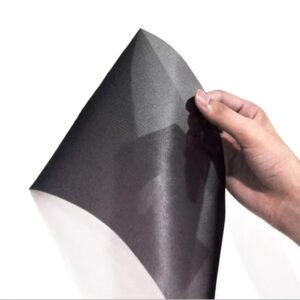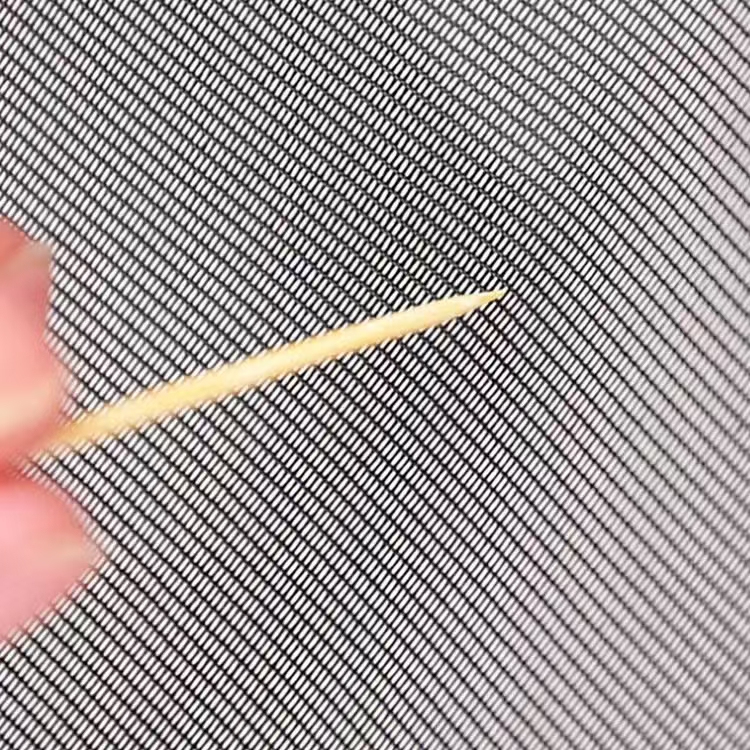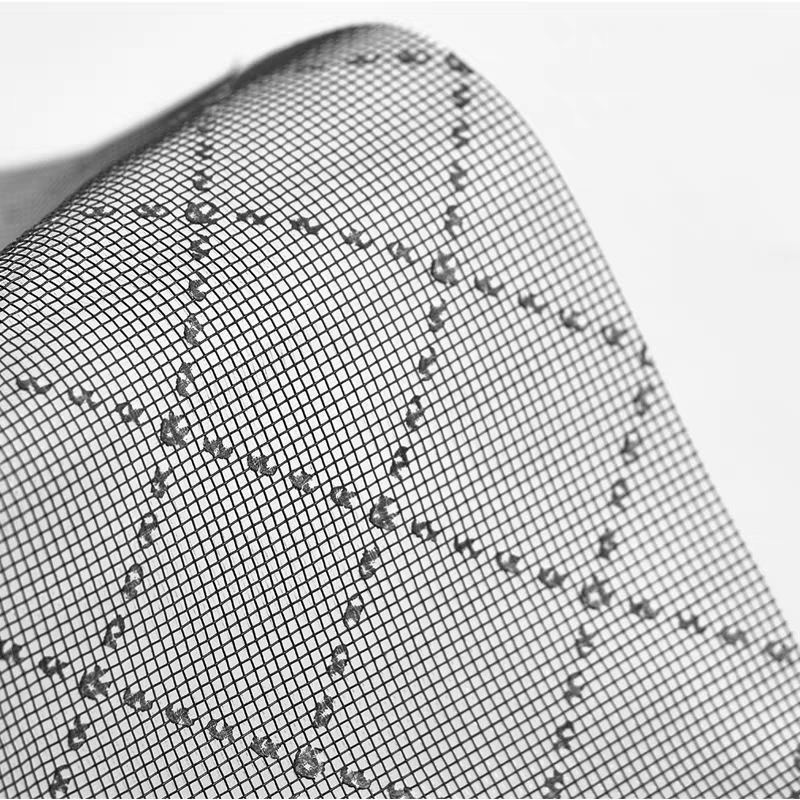
Nano Fiber Window Screen for PM2.5& Fine Particle Protection
Nano Fiber Window Screen Overview
The nano fiber window screen is a next-generation filtration mesh built with electrospun nano fibers engineered to block PM2.5, haze pollutants, micro dust, and automotive exhaust particles. Unlike conventional window screens, This nano-fiber mesh forms an ultra-fine porous structure that effectively captures fine airborne particles while maintaining stable airflow, ensuring a cleaner and healthier indoor environment.
The product line includes multiple filtration levels—80 mesh, 100 mesh, 135 mesh, and 200 mesh—designed to meet a wide range of requirements for residential buildings, commercial facilities, public institutions, and industrial environments. The combination of nano synthetic fibers, precision pore structure, and consistent air permeability makes this an ideal solution for regions affected by haze, dust storms, and urban pollution.
Core Advantages of Nano Fiber Window Screen Technology
1. PM2.5 Filtration with High Accuracy
The electrospun nano fiber layer effectively filters PM2.5 airborne particles with high efficiency, capturing contaminants as fine as 0.3 microns. This includes dust, haze pollutants, industrial emissions, pollen fragments, and airborne microorganisms.
2. High Breathability & Low Air Resistance:
Despite its fine filtration, the nano-fiber structure maintains a high open area (up to 55%), ensuring natural ventilation without a stuffy feeling.
3. Effective Against Industrial & Environmental Pollution
The mesh protects indoor environments from road dust, construction dust, automobile exhaust, and factory emissions—an advantage that traditional window screens cannot match.
4,Biomimetic Super-Hydrophobic Surface:
Inspired by the Lotus Leaf, the nano-structured coating creates a self-cleaning surface. Water beads up and rolls off, carrying away dust and dirt while resisting moisture penetration.
5. Long-Term Durability & Weather Resistance
The nano synthetic fiber structure withstands UV exposure, temperature changes, outdoor humidity, and long-term tension on window frames.
Key Specifications of Nano Fiber Window Screen
Note: Special Size and Special Color are available according to requirements of customers.
| Specification | 100 Mesh | 135 Mesh | 200 Mesh |
|---|---|---|---|
| Material | PET (Polyester) with Nano-structured Coating | ||
| Weaving | Plain Weave | Plain Weave | Plain Weave |
| Wire Diameter | 0.065mm | 0.055mm | 0.042mm |
| Weight | 36g/sqm | 38g/sqm | 37g/sqm |
| Mesh Thickness | 0.1mm | 0.09mm | 0.075mm |
| Mesh Opening (Aperture) | 0.19mm | 0.125mm | 0.085mm |
| Open Area | 55% | 48% | 45% |
| Roll Width Options | 120cm, 150cm (customizable) | ||
| Roll Length Options | 50m (customizable) | ||
| Note: “Nano” refers to the diameter of the fibers and the thickness of the functional coating, which create a micro-porous structure for high-efficiency filtration without compromising airflow. | |||
Standard polyester pleated insect screen mesh is one of the most widely used materials in modern plisse screen systems.
The material combines stable pleat formation, reliable durability, and balanced airflow performance, making it suitable for a wide range of insect screen structures used in door and window systems.
For manufacturers and system assemblers, polyester pleated mesh provides a consistent and cost-effective raw material solution for large-scale production of pleated insect screens.
This material is commonly used in:
- plisse insect screen systems
- retractable pleated mosquito screens
- door and window insect protection systems
For a broader overview of plisse screen materials, please see.
Features of Nano Fiber Window Screen
High-Efficiency PM2.5 Filtration
The nano fiber membrane is engineered to capture PM2.5 particles, haze pollutants, and micro dust generated by traffic emissions and industrial discharge. Compared with traditional screen mesh, nano filtration provides a higher level of fine particle control for air-quality-sensitive environments.
Electrospun Nano Fiber Structure
Produced using advanced electrospinning technology, the ultra-fine fiber layer forms a uniform filtration network. This structure is a key part of our complete window filtration solutions for dust, haze, and air pollution control.
Balanced Airflow Performance
Despite its high filtration capability, the nano window screen filter maintains smooth airflow through micro-porous nano membranes, making it suitable for daily ventilation without sealing indoor spaces.
Multi-Level Filtration Options
Available in 80 mesh, 100 mesh, 135 mesh, and 200 mesh configurations, this product line allows buyers to select filtration levels based on regional pollution intensity and market positioning.
Water-Repellent Surface Protection
The nano coating helps repel rainwater and moisture, reducing water penetration during windy or rainy conditions while maintaining filtration stability.
UV Resistance & Outdoor Durability
Nano synthetic fibers resist UV exposure, aging, and temperature variation, ensuring long-term outdoor performance across different climate zones.
Applications of Nano Fiber Window Screen Mesh
Residential Buildings in Urban Areas
Commonly installed in apartments and houses located near busy roads or urban centers to reduce PM2.5, haze, and fine dust entering indoor spaces through open windows.
Commercial & Office Buildings
Applied in offices, retail spaces, and business facilities where improved indoor air quality is required without sacrificing natural ventilation.
Hospitals & Medical Facilities
Used in hospitals and clinics where air cleanliness and micro particle control are essential for indoor comfort and hygiene standards.
Schools & Public Institutions
Installed in schools, kindergartens, libraries, and public buildings to help reduce exposure to airborne pollutants and improve indoor environments.
Industrial & High-Pollution Areas
Recommended for buildings near industrial zones or construction sites. This nano window screen filter focuses on fine particle filtration rather than structural reinforcement.In environments requiring both structural strength and layered filtration, composite structure mesh may also be considered as an alternative solution.
Ventilation & Window System Integration
Integrated into fresh-air inlets, ventilation openings, or OEM window systems requiring high-efficiency particle filtration. For applications focused on seasonal allergy control rather than PM2.5, allergy protection window screens offer a different material approach.
FAQ
Q1. What is a nano fiber window screen ?
A nano fiber window screen mesh uses electrospun nano fibers to block PM2.5 and micro dust while allowing fresh air to enter the room.It utilizes electrospun nanofibers to create a porous structure that traps pollutants while allowing air to pass through.
Q2. Does it reduce airflow?
No. The nano membrane is designed to maintain smooth ventilation despite its fine filtration capability.
Q3. Which mesh level should I choose?
80/100 mesh is suitable for moderate haze conditions, while 135/200 mesh is recommended for high-pollution regions or industrial zones. For new projects or specific environments, buyers are advised to review samples and conduct on-site testing before selecting the most appropriate mesh level.
Q4. Can it withstand outdoor weather?
Yes. The nano synthetic fiber layer is UV-resistant, water-repellent, and durable in long-term outdoor environments.
Q5. Do you support OEM customization?
Yes. We offer custom sizes, packaging, private labels, and OEM screen inserts for window brands.
Related Window Filtration Solutions